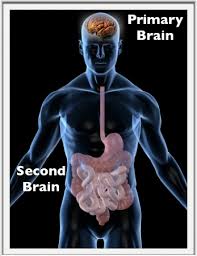
Have you ever felt butterflies in your stomach when nervous, or experienced a gut feeling that guided an important decision? These aren’t just figures of speech—they’re evidence of a profound connection between your digestive system and your brain. Welcome to the fascinating world of the gut-brain axis, where your emotional well-being and digestive health are intimately intertwined.
Your Second Brain
Scientists now refer to the gut as our “second brain,” and for good reason. The enteric nervous system, the network of neurons lining your gastrointestinal tract, contains approximately 100 million nerve cells. That’s more neurons than in your spinal cord. This intricate system doesn’t just manage digestion; it communicates constantly with your brain through neural, hormonal, and immunological pathways.
This bidirectional communication highway means that what happens in your gut directly influences your mental and emotional state, and vice versa. When you’re stressed, your digestion slows. When your gut is inflamed, your mood can plummet. It’s a continuous conversation that shapes how you feel every single day.
The Microbiome: Your Inner Ecosystem
Living within your gut are trillions of microorganisms, bacteria, fungi, viruses, and other microbes collectively known as your microbiome. This diverse ecosystem weighs about three pounds and plays a crucial role in your physical and emotional health. Think of it as an internal garden that requires careful tending.
These microscopic residents do far more than help digest food. They produce neurotransmitters, the chemical messengers that regulate mood. In fact, approximately 90% of your body’s serotonin, often called the “happiness hormone,” is produced in the gut. Your gut bacteria also manufacture GABA, dopamine, and other compounds that directly influence anxiety, motivation, and emotional balance.
When your microbiome is diverse and thriving, you’re more likely to feel emotionally balanced. When it’s disrupted through poor diet, antibiotics, chronic stress, or environmental toxins, consequences can manifest as anxiety, depression, brain fog, and mood swings.
The Inflammation-Mood Connection
One of the most significant ways gut health affects emotional well-being is through inflammation. When your gut lining becomes compromised, a condition often called “leaky gut”, partially digested food particles, bacteria, and toxins can escape into your bloodstream. Your immune system responds with inflammation, which doesn’t stay confined to your digestive system.
Inflammatory molecules can cross the blood-brain barrier, triggering neuroinflammation that affects mood regulation, cognitive function, and emotional resilience. Research increasingly shows that many cases of depression and anxiety have an inflammatory component rooted in gut dysfunction. This is why some people find that healing their digestive issues simultaneously improves their mental health.
Stress: The Gut Disruptor
The gut-brain connection works both ways, which means chronic stress wreaks havoc on digestive health. When you’re stressed, your body diverts resources away from digestion toward immediate survival functions. Blood flow to the gut decreases, digestive enzyme production slows, and the gut lining becomes more permeable.
Prolonged stress also disrupts the balance of your microbiome, allowing harmful bacteria to flourish while beneficial species decline. This creates a vicious cycle: stress damages gut health, which produces inflammation and reduces mood-regulating neurotransmitters, leading to more anxiety and stress. Breaking this cycle requires addressing both the emotional and physical components.
Nourishing the Gut-Brain Connection
The empowering news is that you have tremendous influence over your gut health, and therefore your emotional well-being. Here are key ways to support this vital connection:
Feed your microbiome wisely. Your gut bacteria thrive on fiber-rich foods, fermented foods like sauerkraut and kimchi, and diverse plant-based nutrients. Processed foods, excessive sugar, and artificial additives disrupt microbial balance. Think of every meal as an opportunity to nourish your inner ecosystem.
Manage stress holistically. Since stress directly impacts gut health, practices like meditation, breathwork, yoga, and time in nature aren’t just good for your mind, they’re essential for digestive wellness. When you calm your nervous system, you support healthy digestion.
Consider probiotics and prebiotics. Quality probiotic supplements can help restore beneficial bacteria, while prebiotic foods (like onions, garlic, and asparagus) feed the good microbes you already have. However, what works for one person may not work for another, so pay attention to your body’s responses.
Address digestive symptoms. Don’t ignore bloating, irregular bowel movements, or digestive discomfort. These are your gut’s way of communicating that something needs attention. Working with a functional medicine practitioner, health coach, or nutritionist can help identify root causes.
Eat mindfully. How you eat matters as much as what you eat. Eating while stressed or distracted impairs digestion. Taking time to chew thoroughly, eating in a relaxed state, and being present with your meals supports optimal gut function. Create your meals around foods that heal and sustain your well-being.
Listening to Your Gut Wisdom
Ancient healing traditions have long recognized the gut as a center of intuition and emotional intelligence. Modern science is now confirming what mystics and healers have known for millennia: your gut truly is connected to your deepest knowing.
When you honor the gut-brain connection through nourishing foods, stress management, and attentive care, you’re not just supporting digestion, you’re cultivating emotional resilience, mental clarity, and overall vitality. Your gut speaks to you constantly through sensations, cravings, and intuitive knowing. Learning to listen might be one of the most important healing practices you can embrace.
After all, trusting your gut isn’t just wise advice – it’s neuroscience.